

From 16 to 25 October, the Sion Centre for Biblical Formation (CBF) in Jerusalem organised a biblical study tour in Turkey, bringing together eighteen participants from different parts of the world, united by a common purpose: to deepen their understanding of St Paul’s first missionary journey in Asia Minor, in what is today the Republic of Turkey.
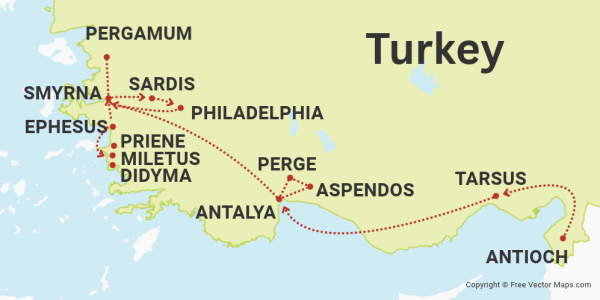
The journey began in Antakya in eastern Turkey. Known in biblical times as Antioch, it served as the starting point for Paul’s missionary travels.
The tour then continued westwards, passing through Tarsus, Paul’s birthplace, and Perge, the ancient city where he landed after sailing from Cyprus.
Further west, the group visited other historically significant places, including Philadelphia and Sardis, before reaching sites such as Ephesus and Miletus on the Aegean coast.
Each evening, Sr Maria Pascuzzi CSJ, a biblical scholar invited by CBF, explored the biblical significance of the places visited and their connections with Paul’s life and missionary journeys. Her presentations encouraged participants to look beyond Paul as a figure in Scripture and to encounter him as a man of his time: someone who dedicated his life to spreading the Christian message and nurturing fledgling congregations across the Mediterranean.


There is a particular richness to studying Scripture in the very places where its stories unfolded. Reading about a biblical location is one thing; standing on that ground and taking it in with all your senses is quite another.
Walking through these landscapes opened fresh perspectives on Paul’s writings bringing into focus his missionary purpose and the daily realities of the Greco-Roman communities his letters addressed. The ruins of once-thriving cities offered tangible reminders of the people who had lived and worshipped there.
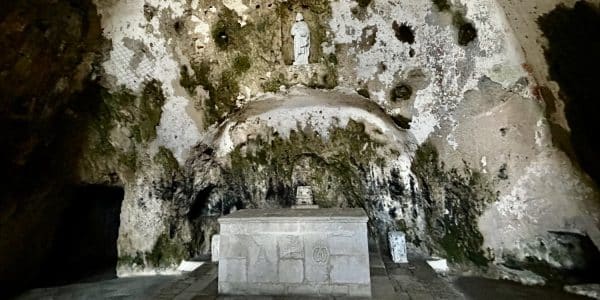 In Antioch, the place where followers of Jesus were first called “Christians”, the group visited St. Peter’s Grotto.
Tradition holds that the discreet tunnel opening still present in the grotto – on the lefthand side of the photo – served as an escape route into Mount Staurin in case Roman authorities discovered the early Christians’ secret gatherings.
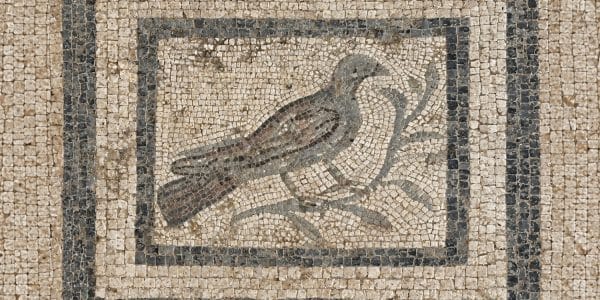 Perge, an early stop on the Apostle Paul’s first missionary journey, was a prosperous provincial capital and a natural gateway for early Christian missionaries moving into Asia Minor.
Recent excavations uncovered intricate mosaics.
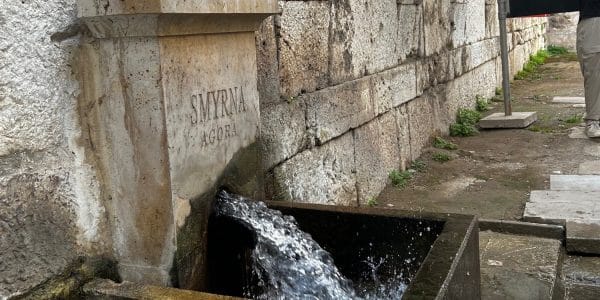 Christians in Smyrna were commended for their faithfulness in the face of persecution in a message addressed to the Church there in the Book of Revelation.
The Roman Agora (marketplace) visited on the tour evokes the everyday life of the city in the same era.
Market-goers would drink from this public fountain fed by the city’s 2,000-year-old water channels.
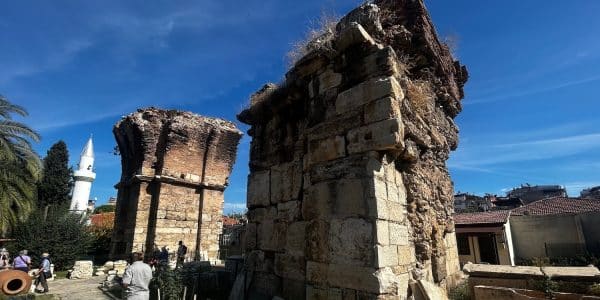
Philadelphia is home to one of the Seven Churches of Asia addressed in the Book of Revelation, praised for endurance and faithfulness without rebuke.
A walk among its ancient stones recalled a community of “little strength” who nonetheless held fast to Christ’s word, earning the promise in Revelation of an “open door” for ministry and protection in times of trial.
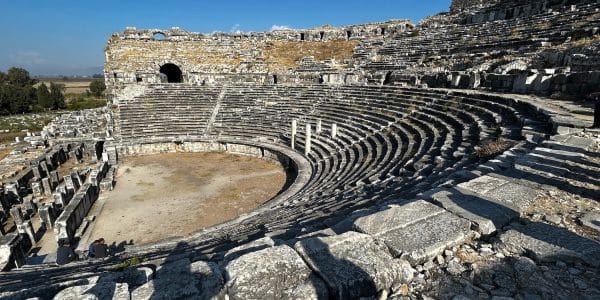 Historically a major Greek trading centre, Miletus remained an important Roman-era port with a large theatre and temples.
Visiting the theatre in Miletus gave a sense of the place St Paul would have known when he gathered the elders of Ephesus to the city for a deeply personal farewell and a final call to courage.
Paul told the elders they would not see his face again, leading to kneeling prayer, weeping, and a tearful send-off at the harbour before he sailed towards Jerusalem.
The tour was a reminder that Scripture is rooted in real places and human lives. Seeing those settings firsthand brought the biblical narrative closer to participants’ own experience, enriching how they read the Bible and deepening their encounter with the Word today.
It was also an opportunity to share the experience with people from different walks of life. Chatting during visits and exchanging insights over meals brought them closer together, enriching the experience for everyone beyond the formal programme.
In a journey that was so much more than an archaeological excursion, the sites visited became stepping stones towards a deeper pilgrimage of faith and encounter, providing fresh perspectives on Paul’s letters and the faith that inspired his mission.
The experience also offered a reminder that God’s story is not only a thing of the past. Revisiting the world inhabited by the early Christian communities invites us to reflect on how the divine continues to be at work in human history today.
Indeed, encountering the land and touching its ancient ruins is, in a profound way, touching the God of history: a divine presence that continues to be revealed through the unfolding story of traditions and faith.


